Entry · Ref V0HB5GZO
Meaningful connections: the social activities that bring care home residents together
- Posted
- 2026-11-24
- Last amended
- 2026-11-24
- Account
- @thecarejournal
Why social connection matters in a care home
Moving into a care home often marks a big change in a person's daily life. Old routines disappear, familiar neighbours are no longer nearby, and the chance for casual conversation can shrink. Yet the need for human connection does not fade with age. In fact, research consistently shows that social interaction is one of the strongest predictors of wellbeing in later life. For residents of care homes near Chesterfield, finding ways to connect with others can make the difference between feeling at home and feeling isolated.
Care homes that prioritise social activities do more than fill the calendar. They create an environment where friendships form, memories are shared, and residents feel seen and valued. But not every activity works for every person. The best programmes take into account mobility, cognitive ability, personal interests and cultural background. When done well, they turn a collection of individuals into a genuine community.
What makes an activity socially connecting?
It helps to think about what 'social connection' actually means in a care setting. It is not the same as being in a room with other people. True connection happens when residents interact with each other, share an experience, or work toward a common goal. An activity that simply involves sitting side by side watching a film may offer comfort, but it does little to spark conversation. On the other hand, a group quiz or a shared gardening project encourages people to talk, laugh and collaborate.
Key features of socially connecting activities include:
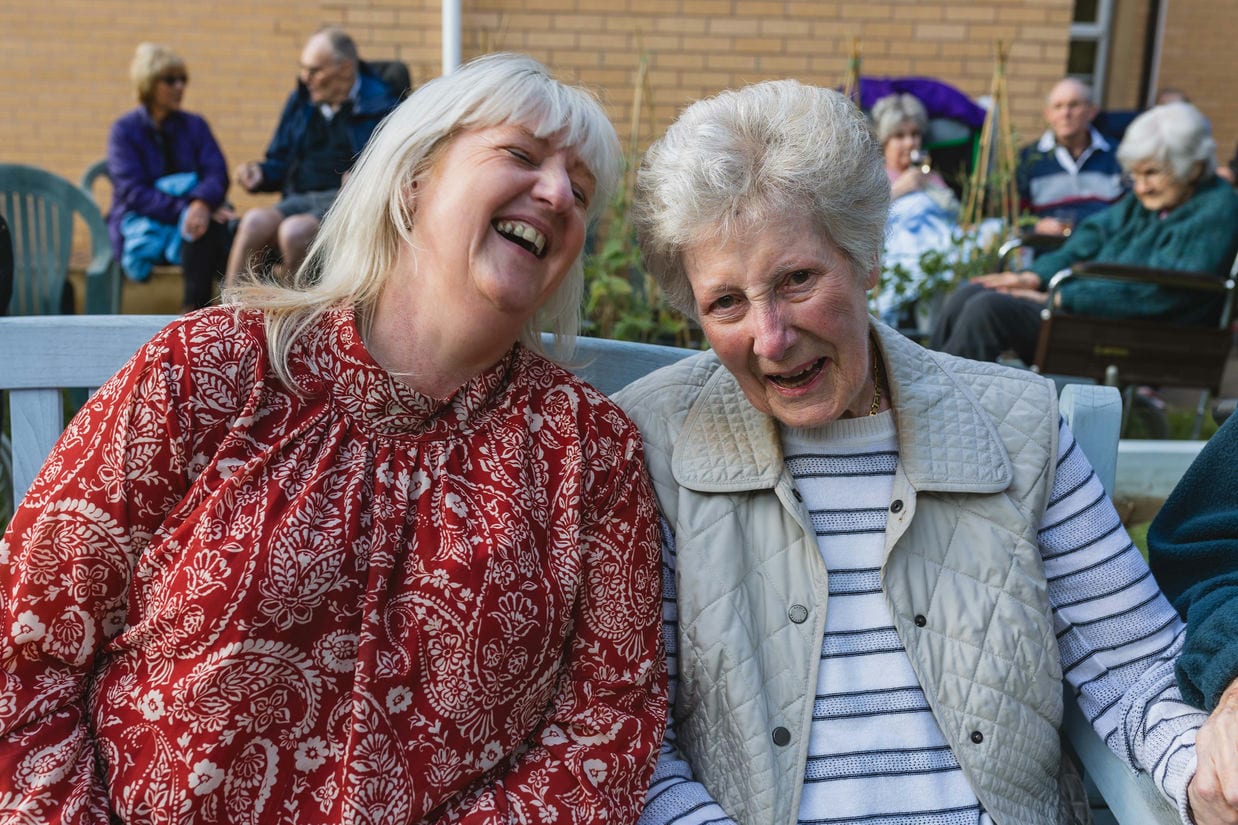
- Opportunities for residents to contribute something of their own - a story, a skill, an opinion.
- Enough structure that everyone can follow along, but enough flexibility to allow for personal expression.
- Group sizes that feel intimate rather than overwhelming. Small groups often work better for deeper conversation.
- Regularity. Weekly or twice-weekly sessions build familiarity and give residents something to look forward to.
- Staff or volunteer facilitation that encourages quieter residents to join in without forcing them.
These principles hold true whether the setting is a large residential home or a smaller nursing unit. The same approach that works in The Green Care Group care homes in Dronfield and Chesterfield can be adapted to other environments too. What matters is the intention behind the activity, not just the activity itself.
Examples of activities that foster real interaction
Reminiscence and life story work
Reminiscence is one of the most powerful tools for social connection. When residents share memories from their younger years, they reveal parts of their identity that may be hidden in everyday conversation. A themed reminiscence session - using old photographs, music from a specific decade, or objects like a wartime ration book - can prompt rich discussion. People who struggle with short-term memory often retain vivid recollections of their early life, and these sessions give them a chance to be the expert in the room.
Life story work goes a step further. Residents create a personal record of their history with help from staff or volunteers. This can become a conversation starter with visitors and other residents. It also helps care staff understand each person's background, which leads to more personalised interactions throughout the day.
Group cooking and baking
Cooking together naturally encourages cooperation. Residents can take on different roles depending on ability - measuring ingredients, stirring, setting the table, or simply offering taste tests. The shared meal at the end gives everyone a sense of achievement. The smells and tastes of familiar dishes can also trigger memories and conversation. Simple recipes like scones, soup or a traditional pudding work well because they are easy to adapt and do not require complex equipment.
Intergenerational programmes
Bringing children and young people into the care home changes the dynamic in a unique way. A visit from a local nursery group or school choir can lift the mood instantly. Activities like reading together, planting seeds, or making simple crafts allow for natural interaction across the generations. These sessions often produce the most spontaneous laughter and conversation. They also help younger people develop empathy and understanding of older adults.
Music and singing groups
Music has a direct route to emotion and memory. A singalong with a live musician or even a recorded playlist can unite a group faster than almost anything else. Residents who rarely speak may hum along to a familiar tune, while others tap their feet or clap. The shared rhythm creates a sense of togetherness that words alone cannot achieve. Some homes run regular choir sessions where residents choose the songs themselves, giving them ownership of the activity.

Pet therapy and animal care
Animals have a remarkable ability to draw people out of themselves. A visiting dog or cat gives residents something to talk about and a reason to reach out and interact. Even watching fish in a tank can be calming and encourage quiet conversation. Some homes go further and keep resident pets, such as rabbits or hens, which require daily care. Looking after an animal together gives residents a shared purpose and a topic of conversation that lasts all day.
How activities are structured matters as much as the activity itself
Even the best idea can fall flat if the setting is not right. A noisy common room with distractions can make it hard for residents with hearing loss to follow a conversation. Poor lighting or uncomfortable seating can discourage participation. Homes that take the time to arrange the space thoughtfully - setting up chairs in a circle rather than rows, keeping background noise low, and ensuring good sightlines - see much higher engagement.
Timing also plays a part. Many older adults have more energy in the morning, so activities that require concentration are often best scheduled before lunch. Afternoon sessions can be more relaxed - perhaps a film club, a gentle exercise class, or a coffee morning. Evening activities may work better for residents who are night owls, but should be winding rather than stimulating to avoid disrupting sleep.
What this means for families and prospective residents
When you are choosing a care home for yourself or a loved one, the activity programme is worth exploring in detail. Ask to see a weekly schedule. Look for variety - not just bingo and TV, but creative, physical and social options. Ask how new residents are introduced to activities and whether staff make an effort to include people who are shy or have communication difficulties.
The best homes treat social connection as a core part of care, not an optional extra. They train staff to facilitate group interaction, not just supervise. They adapt activities as residents' needs change. And they create a culture where everyone - residents, families, staff - feels part of the community.
Places like The Green Care Group care homes in Dronfield and Chesterfield demonstrate how a thoughtful approach to activities can transform daily life. Their programmes are built around the principle that social wellbeing is inseparable from physical and mental health. While every home is different, those that invest in meaningful connection tend to have happier, more engaged residents.

Practical tips for getting involved
If you are a family member visiting someone in care, you can also support social connection. Ask the activities coordinator what is planned and see if you can join in occasionally. Your presence can encourage your loved one to participate. You might also share ideas based on their past hobbies - a resident who loved gardening might enjoy a small pot-planting session, while someone who played an instrument might respond to music sessions.
For residents themselves, the key is to try a few things without pressure. It is okay to sit out sometimes. But giving a new activity a fair chance - even just for ten minutes - can lead to unexpected enjoyment. Over time, regular participation builds confidence and creates the kind of bonds that make a care home feel like home.
The Green Care Group on social media
 Facebook